
 Wildlife
of USA
Northern Lapwing
Shorebirds & Sandpipers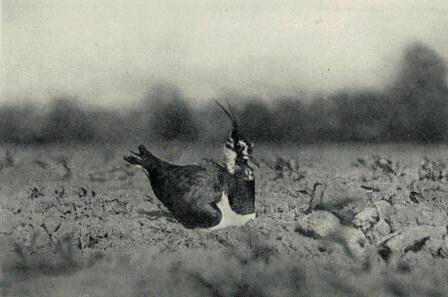
Photo: no rights reserved · CC0 1.0
Vanellus vanellus
U.S. national list: unknown
Basic stats
Diet
Insects and other small invertebrates
Habitat
Short grassland, farmland, wetlands and mudflats
Range
Breeds across temperate Eurasia; winters to North Africa and southern Asia
Clutch size
4 eggs
Incubation period
24 days
Size
28–33cm
Wingspan
67–87cm
Weight
Averages about 218g
The Northern Lapwing is a crested wader, 28–33 cm long with broad, rounded wings spanning 67–87 cm. Its plumage appears mainly black and white, but the back has a green sheen. Males have a longer crest and stronger black on the crown, throat and breast; females and young birds show shorter crests and less sharply defined head markings. The ringing contact call gives rise to the name peewit (Wikipedia, general species account).
Across temperate Eurasia, the species breeds in farmland and other short vegetation, placing its eggs in a shallow ground scrape. It strongly defends nests and young. Most populations migrate, wintering as far south as North Africa and parts of southern Asia, where large flocks gather on arable land and mudflats. It feeds on insects and other small invertebrates, sometimes tapping the ground with one foot to bring worms upward (Wikipedia, general species account; EltonTraits, Wilman et al. 2014).
Records of Northern Lapwing in the USA
This bird's natural range lies outside the USA (AviList v2026), so these are records of wandering, escaped or introduced birds, not places to expect it.
GBIF records grouped by protected area. They show where the species has been reported, not that it is there now, and they are not population counts.
Recorded in 11 protected areas (1953–2024). The 8 with the most records:
- Ram Pasture: 49 records (2012–2013)
- Prime Hook National Wildlife Refuge: 38 records (2024)
- Bombay Hook National Wildlife Refuge: 33 records (1953–2013)
- Montauk County Park: 31 records (2012)
- Rachel Carson National Wildlife Refuge: 31 records (2014)
- Stewart B. McKinney National Wildlife Refuge: 23 records (2021)
- Pinelands National Reserve: 15 records (1997)
- Back Bay National Wildlife Refuge: 14 records (2012)
Quick answers
- What does the Northern Lapwing eat?
- Insects and other small invertebrates
- What habitat does the Northern Lapwing live in?
- Short grassland, farmland, wetlands and mudflats
- Where is the Northern Lapwing found?
- Breeds across temperate Eurasia; winters to North Africa and southern Asia
- How many eggs does the Northern Lapwing lay?
- 4 eggs
- How long are the eggs of the Northern Lapwing incubated?
- 24 days
- How big is the Northern Lapwing?
- 28–33cm
- What is the wingspan of the Northern Lapwing?
- 67–87cm
- How much does the Northern Lapwing weigh?
- Averages about 218g