
 Wildlife
of USA
Yellow-legged Gull
Gulls, Terns & Jaegers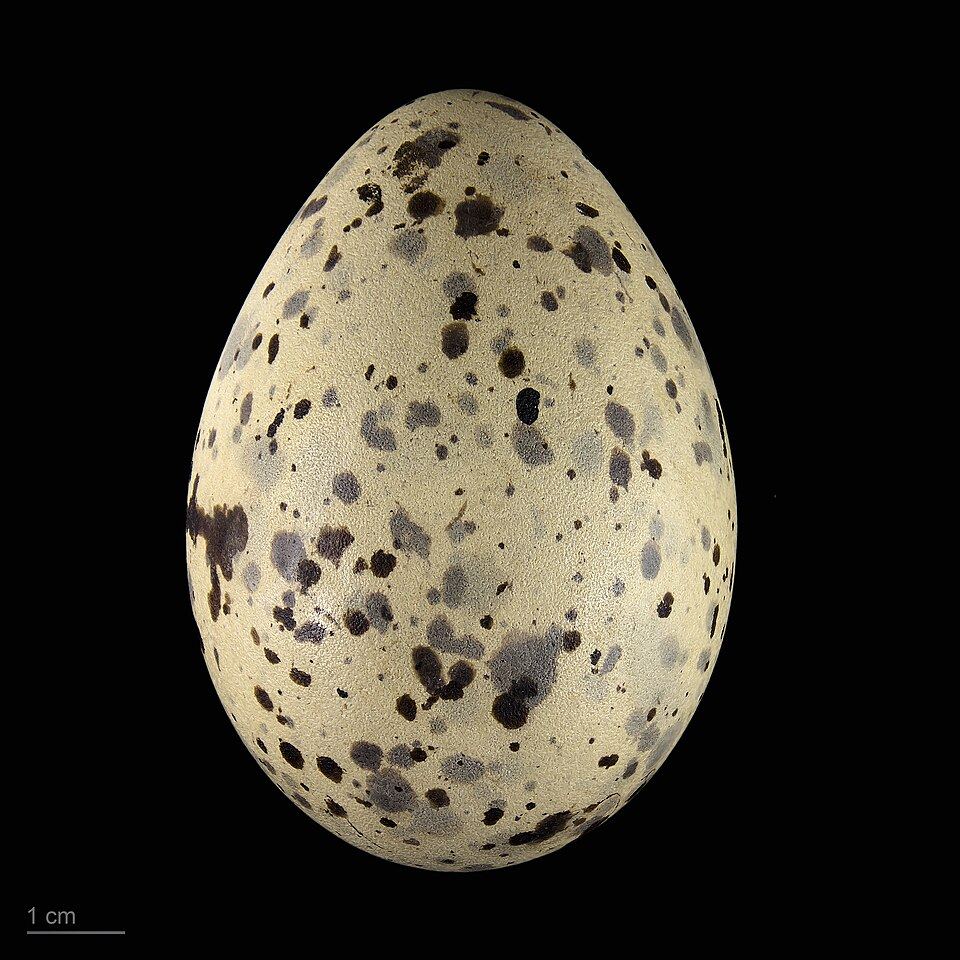
Photo: Roger Culos · CC BY-SA 4.0 (May be cropped or resized)
Larus michahellis
U.S. national list: unknown
Basic stats
Diet
Fish, invertebrates and other animal food
Habitat
Coasts, sea cliffs and offshore islands
Range
Mediterranean and Black Sea regions, Atlantic coasts and islands of Europe and North Africa
Size
52–68cm
Wingspan
120–155cm
Weight
Averages about 1112g
The Yellow-legged Gull is a large gull with a grey back, yellow legs, a red spot on the bill and a red ring around the eye. Adults have black wing tips with small white spots. Young birds show a dark bill, pinkish-grey legs and a dark tail band before gradually acquiring adult plumage. It measures 52–68 cm, spans 120–155 cm and averages about 1,112 g (Wikipedia, general species account; AVONET, Tobias et al. 2022).
Its breeding range is centred on the Mediterranean, extending to Atlantic coasts and islands and the western Black Sea. Colonies occur on sea cliffs and other coastal sites. Some birds remain near breeding areas throughout the year, while others move to milder coasts in western Europe or Africa. It is an opportunistic feeder; fish, invertebrates and other animal foods are represented in its diet (Wikipedia, general species account; EltonTraits, Wilman et al. 2014).
Quick answers
- What does the Yellow-legged Gull eat?
- Fish, invertebrates and other animal food
- What habitat does the Yellow-legged Gull live in?
- Coasts, sea cliffs and offshore islands
- Where is the Yellow-legged Gull found?
- Mediterranean and Black Sea regions, Atlantic coasts and islands of Europe and North Africa
- How big is the Yellow-legged Gull?
- 52–68cm
- What is the wingspan of the Yellow-legged Gull?
- 120–155cm
- How much does the Yellow-legged Gull weigh?
- Averages about 1112g