
 Wildlife
of USA
Tree Pipit
Other Songbirds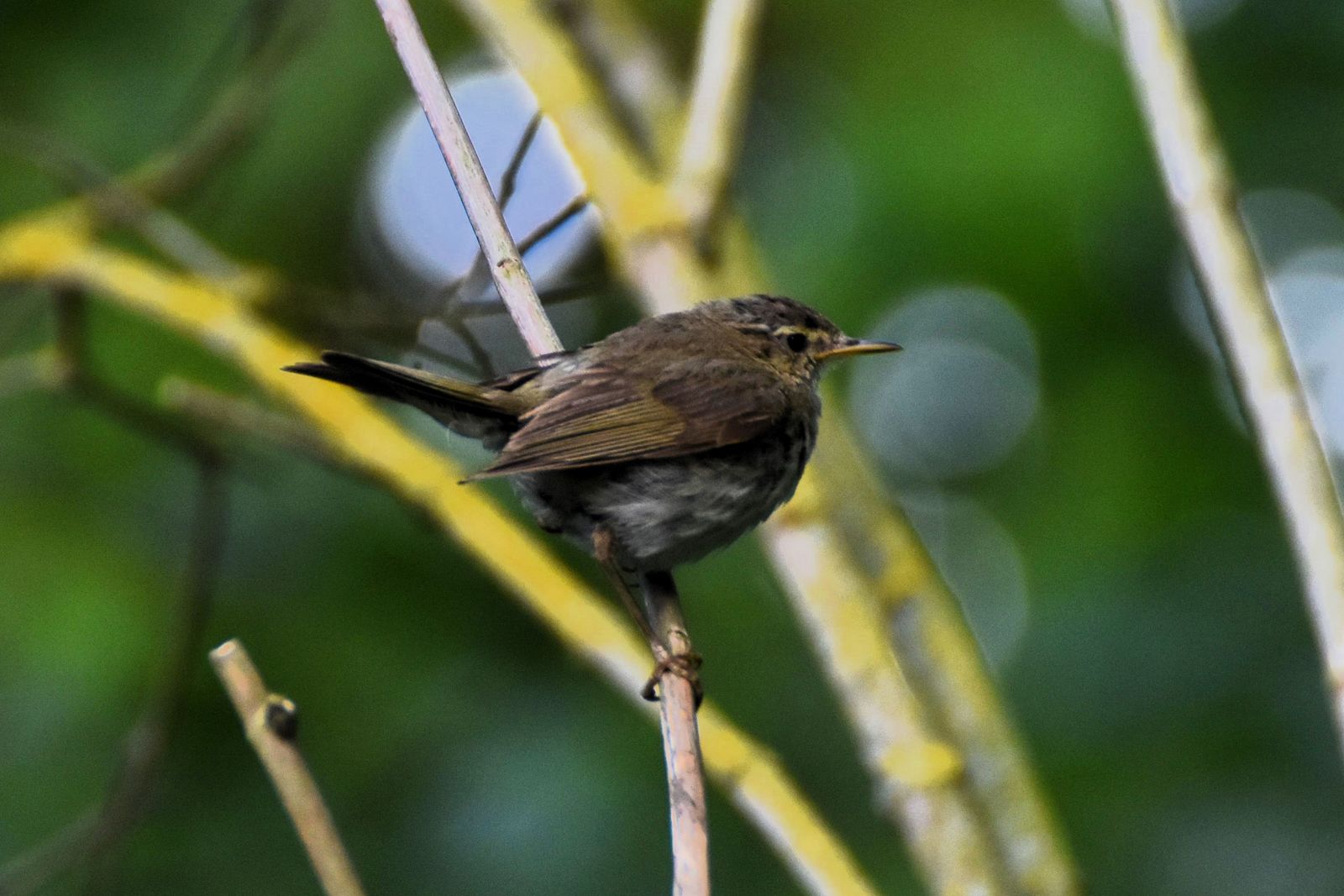
Photo: Bärbel Miemietz · CC BY-SA 4.0 (May be cropped or resized)
Anthus trivialis
U.S. national list: unknown
Basic stats
Diet
Mainly insects and other invertebrates, with some seeds and plant material
Habitat
Open woodland, scrub, heath and woodland edge
Range
Breeds across Europe and northern Asia; winters in Africa and southern Asia
Clutch size
Usually 4–6 eggs
Incubation period
12–14 days
Weight
Averages about 23g
The Tree Pipit is a small, streaked brown passerine with dark markings on a buff breast and whiter belly. It resembles the Meadow Pipit but has a heavier bill, stronger contrast below and a greater tendency to perch in trees. Its display is distinctive: the male rises from a tree and descends on stiff wings while its song slows and lengthens. The species averages about 23 g (Wikipedia, general species account; AVONET, Tobias et al. 2022).
Across its range, the species breeds from Europe east across northern Asia and migrates long distances to Africa and southern Asia. Open woodland and scrub are favoured, especially mosaics of trees, low vegetation and grass. It searches mainly on the ground for insects and other invertebrates, while seeds and other plant material are also eaten. The female builds a nest among grass or heather, lays four to six eggs and incubates them for 12–14 days (Wikipedia, general species account; EltonTraits, Wilman et al. 2014).
Quick answers
- What does the Tree Pipit eat?
- Mainly insects and other invertebrates, with some seeds and plant material
- What habitat does the Tree Pipit live in?
- Open woodland, scrub, heath and woodland edge
- Where is the Tree Pipit found?
- Breeds across Europe and northern Asia; winters in Africa and southern Asia
- How many eggs does the Tree Pipit lay?
- Usually 4–6 eggs
- How long are the eggs of the Tree Pipit incubated?
- 12–14 days
- How much does the Tree Pipit weigh?
- Averages about 23g