
 Wildlife
of USA
Hen Harrier
Raptors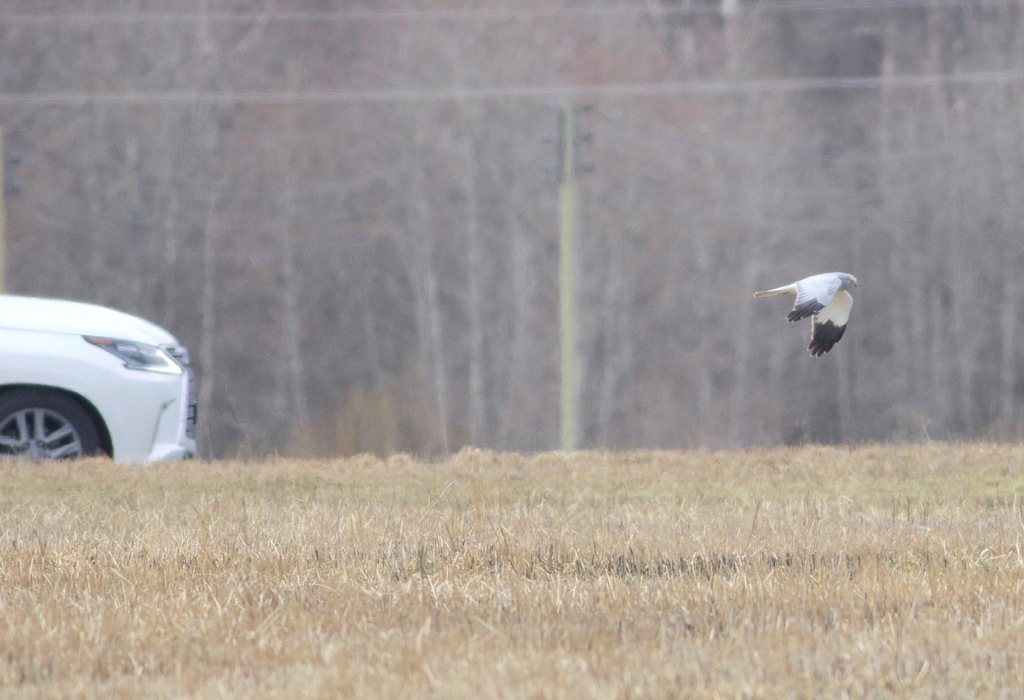
Photo: (c) Vsevolod Rudyi, some rights reserved (CC BY) · CC BY 4.0 (May be cropped or resized)
Circus cyaneus
U.S. national list: unknown
Basic stats
Diet
Mostly small mammals, with birds also important
Habitat
Moorland, bogs, farmland, marshes and grassland
Range
Breeds across open country in Eurasia; northern birds winter farther south
Clutch size
Usually 4–8 eggs
Incubation period
31–32 days
Size
41–52cm
Wingspan
97–122cm
Weight
Averages about 393g
The Hen Harrier is a long-winged raptor with sharply different adult plumages. Males are mostly grey above and white below with black wingtips, whereas larger females are brown with barred buff underparts; both sexes carry a white rump patch. Juveniles resemble females. It hunts in buoyant low flight, following the contours of open ground with the wings held in a shallow V. Adults measure 41–52 cm, span 97–122 cm and average about 393 g (Wikipedia, general species account; AVONET, Tobias et al. 2022).
Across Eurasia, the species breeds in open habitats including moorland, bog, marsh, farmland and grassland. Northern and upland birds generally move south or to lower elevations for winter, when communal roosts may form. Small mammals dominate the diet, though birds are also regularly captured. The nest is built on the ground from sticks and lined with vegetation. Four to eight eggs are usual, and the female performs most of the 31–32-day incubation while the male supplies food (Wikipedia, general species account; EltonTraits, Wilman et al. 2014; AnAge).
Where to see Hen Harrier in the USA
GBIF records grouped by protected area. They show where the species has been reported, not that it is there now, and they are not population counts.
Recorded in 6,929 protected areas (1870–2026). The 8 with the most records:
- Pinelands National Reserve: 40,034 records (1892–2026)
- Parker River National Wildlife Refuge: 30,182 records (1963–2026)
- Jacques Cousteau National Estuarine Research Reserve: 29,597 records (1929–2026)
- Brigantine National Wildlife Refuge: 29,348 records (1938–2026)
- Edwin B. Forsythe National Wildlife Refuge: 29,025 records (1938–2026)
- Bosque del Apache National Wildlife Refuge: 19,545 records (1963–2026)
- Montezuma National Wildlife Refuge: 18,797 records (1942–2026)
- Bombay Hook National Wildlife Refuge: 18,131 records (1941–2026)
Quick answers
- What does the Hen Harrier eat?
- Mostly small mammals, with birds also important
- What habitat does the Hen Harrier live in?
- Moorland, bogs, farmland, marshes and grassland
- Where is the Hen Harrier found?
- Breeds across open country in Eurasia; northern birds winter farther south
- How many eggs does the Hen Harrier lay?
- Usually 4–8 eggs
- How long are the eggs of the Hen Harrier incubated?
- 31–32 days
- How big is the Hen Harrier?
- 41–52cm
- What is the wingspan of the Hen Harrier?
- 97–122cm
- How much does the Hen Harrier weigh?
- Averages about 393g