
 Wildlife
of USA
Brambling
Sparrows, Buntings & Finches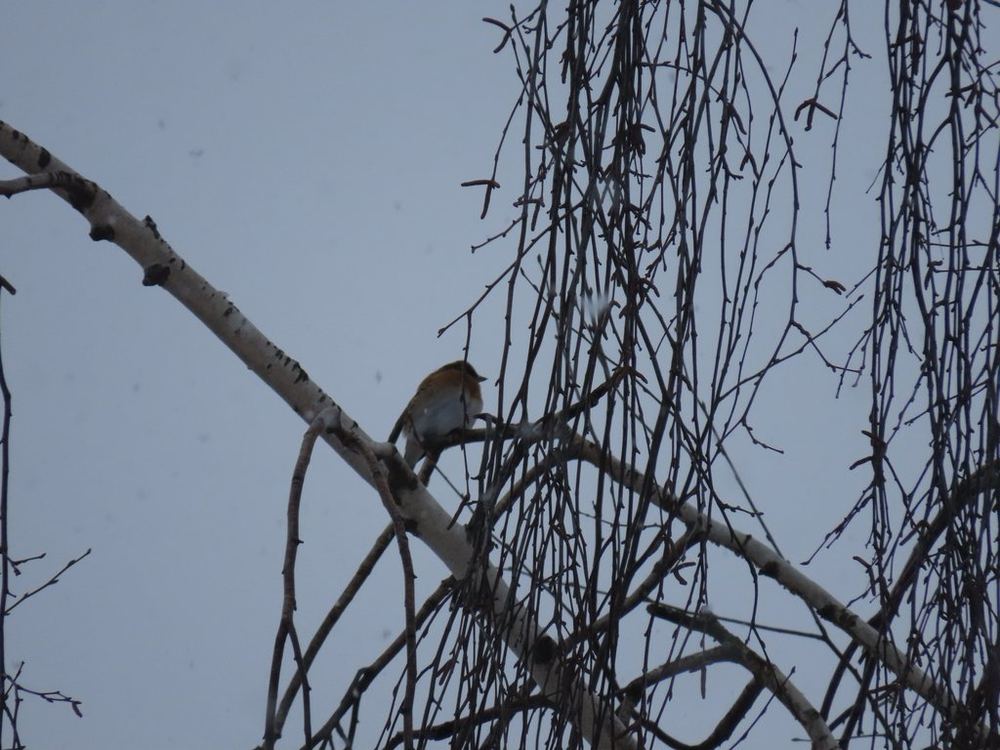
Photo: (c) Дмитрий Кошелев, some rights reserved (CC BY) · CC BY 4.0 (May be cropped or resized)
Fringilla montifringilla
U.S. national list: unknown
Basic stats
Diet
Seeds and fruit, with insects especially important in summer
Habitat
Northern coniferous and birch forest when breeding; varied wooded and open habitats in winter
Range
Breeds across northern Europe and Asia; winters from southern Europe and North Africa to southern and eastern Asia
Clutch size
Usually 5–7 eggs
Incubation period
11–12 days
Weight
Averages about 23g
The Brambling is a chaffinch-sized finch with strong seasonal and sex-related plumage differences. Breeding males show a black head, dark back, orange breast and white belly. Females and non-breeding birds are browner and less contrasting, but all plumages retain useful pale rump and wing markings. The bill is yellow in most plumages and turns dark in breeding males. The species averages about 23 g (Wikipedia, general species account; AVONET, Tobias et al. 2022).
Across its range, the species breeds in northern European and Asian coniferous or birch forest and migrates south to winter from southern Europe and North Africa east to southern and eastern Asia. Winter flocks may become enormous where beech mast is abundant. Seeds and fruit are major foods, while insects become especially important in summer. The female places a lined cup nest high against a tree trunk and incubates the usual five to seven eggs for 11–12 days; both parents feed the nestlings (Wikipedia, general species account; EltonTraits, Wilman et al. 2014).
Records of Brambling in the USA
This bird's natural range lies outside the USA (AviList v2026), so these are records of wandering, escaped or introduced birds, not places to expect it.
GBIF records grouped by protected area. They show where the species has been reported, not that it is there now, and they are not population counts.
Recorded in 14 protected areas (1974–2024). The 8 with the most records:
- Alaska Maritime National Wildlife Refuge: 444 records (1974–2024)
- Bear Creek Lake Park: 143 records (2012)
- Cape Disappointment State Park: 139 records (2023)
- Siuslaw National Forest: 105 records (2016–2021)
- Straits of Mackinac Shipwreck Preserve: 105 records (2022)
- Farm Island Recreation Area: 17 records (2024)
- Greater Farallones National Marine Sanctuary: 16 records (2022)
- Mendenhall Wetlands State Game Refuge: 15 records (1999–2023)
Quick answers
- What does the Brambling eat?
- Seeds and fruit, with insects especially important in summer
- What habitat does the Brambling live in?
- Northern coniferous and birch forest when breeding; varied wooded and open habitats in winter
- Where is the Brambling found?
- Breeds across northern Europe and Asia; winters from southern Europe and North Africa to southern and eastern Asia
- How many eggs does the Brambling lay?
- Usually 5–7 eggs
- How long are the eggs of the Brambling incubated?
- 11–12 days
- How much does the Brambling weigh?
- Averages about 23g