
 Wildlife
of USA
Blue Grosbeak
Sparrows, Buntings & Finches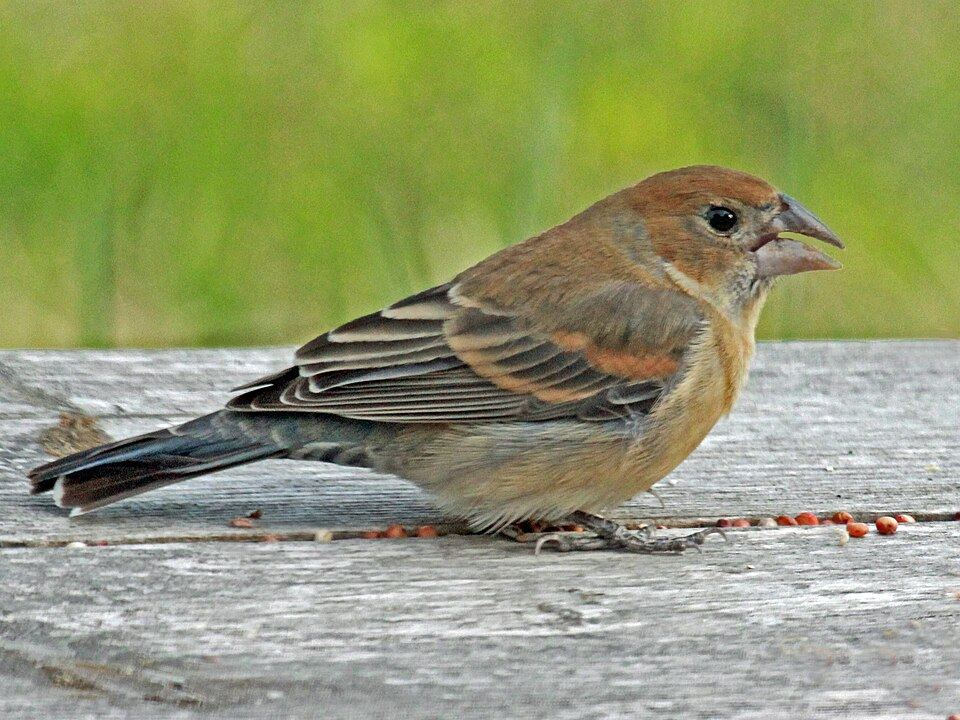
Photo: DickDaniels (http://theworldbirds.org/) · CC BY-SA 3.0 (May be cropped or resized)
Passerina caerulea
U.S. national list: unknown
The Blue Grosbeak breeds across much of the southern United States and northern Mexico, then migrates south to winter in Central America. Males are deep blue with black and brown on the wings; females are mainly brown, with some blue feathers above. Both sexes have two brown wing bars and a large, deep bill. (Wikipedia, general species account).
It measures 14–19 cm and weighs about 26–31.5 g. The bird forages in trees and shrubs as well as on the ground, often twitching and flaring its tail. It sings a quickly changing warble and gives a metallic chink, along with a coarse buzzing call while flying. (Wikipedia, general species account; Collins Birds of the World).
Where to see Blue Grosbeak in the USA
GBIF records grouped by protected area. They show where the species has been reported, not that it is there now, and they are not population counts.
Recorded in 3,565 protected areas (1884–2026). The 8 with the most records:
- Coronado National Forest: 40,244 records (1921–2026)
- Bombay Hook National Wildlife Refuge: 12,210 records (1951–2026)
- Pinelands National Reserve: 9,059 records (1958–2026)
- San Pedro Riparian National Conservation Area: 7,932 records (1902–2026)
- Patagonia-Sonoita Creek Preserve: 7,841 records (1967–2026)
- Higbee Beach Wildlife Management Area: 6,778 records (1974–2025)
- Big Bend National Park: 5,827 records (1933–2025)
- Rio Grande Nature Center State Park: 5,390 records (1983–2024)